
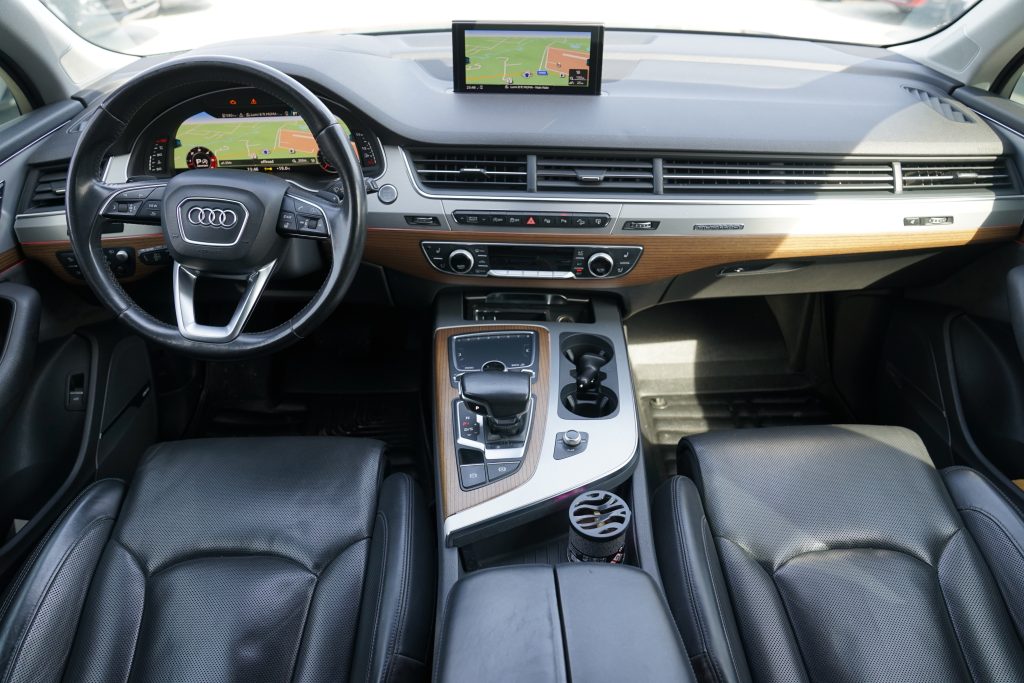
Today, renting a car is as easy as opening a website, choosing your travel dates, comparing vehicles and confirming your booking. In some places, you can even unlock the car with your phone, without ever having to stop at the company’s desk.
But it hasn’t always been this simple.
Around 100 years ago, the car rental industry worked in a completely different way. Bookings were made in person, fleets were small and vehicles had far less technology than they do today.
Over the course of a century, this service has been through huge changes: from classic cars and paper documents to online platforms, mobile apps and electric vehicles. Let’s take a look at the evolution of car rental and what the future holds for the industry.
1. The Beginnings: When It All Started with Classic Cars
At the beginning of the 20th century, the automobile was still a novelty for many people. One of the models that helped it spread was the Ford Model T, introduced in 1908.
As the number of vehicles grew, some entrepreneurs realised that people didn’t always need to buy a car. In many cases, it was enough to use one for a few hours or days.
In 1918, Walter L. Jacobs started a car rental business in Chicago with around 12 Ford Model Ts. The vehicles were carefully maintained and handed over to customers who needed transport.
At the time, the process was much simpler in terms of technology, but it required more manual organisation. Customers had to turn up in person, discuss the rental terms and complete the paperwork before they could take the car.
It was a new service, but the core idea was the same as the one we know today: providing transport without anyone needing to own a vehicle.
2. The Industry Expands and Connects with Airports
After the Second World War, the car rental industry began to expand more quickly.
The growth of air travel, the development of motorways and the rise in business travel created a new need. People arriving in a city by plane wanted a vehicle at their disposal to continue their journey.
And so airports became key locations for car rental companies.
An important moment came in 1932, when Hertz opened a car rental office at Chicago’s Midway Airport. This service model gradually spread to other airports too.
Over the years, companies expanded their fleets, opened new locations and began offering more vehicle categories. A rental car was no longer just a service for businesspeople; it was becoming an option for families and tourists as well.
3. The 1970s–1990s: Technology Starts to Change Bookings
For many years, booking a car meant phone calls, physical paperwork and direct communication with the company.
But the development of computer systems brought a major change.
In 1972, Avis introduced the Wizard system, a platform that made it possible to manage bookings and information in real time. This helped companies get a clearer picture of their fleet and vehicle availability.
From then on, computer systems became increasingly important for managing bookings, prices and vehicles.
In the 1980s and 1990s, computers and the development of the internet laid the foundations for a new way of running this business.
The industry was moving from manual records towards a faster, more organised system.
4. The 2000s: Online Booking Changes Everything
As the internet spread, the way people booked rental cars changed dramatically.
Instead of phoning several companies, customers could visit their websites, see which vehicles were available and compare prices.
This brought several important advantages:
- Book from anywhere: Customers could arrange their transport before arriving at their destination.
- Easier comparison: They could see different vehicle categories and offers.
- Clearer information: Terms, prices and booking details could be checked online.
- Better organisation: Companies could manage bookings and fleet availability more easily.
The internet made the market more accessible and gave customers more control over their choices.
5. The 2010s–2020s: Mobile Apps and Digital Services
Over the last decade, smartphones have transformed the experience of renting a car even further.
Booking was no longer limited to the computer. Mobile apps made it possible to search for vehicles, manage bookings and get information on the go.
Some companies also began offering services such as:
- Digital document verification.
- E-signing of contracts.
- Cashless payments.
- Vehicle pick-up and drop-off with automated procedures.
- Locking and unlocking the car via an app, where the service supports this technology.
This doesn’t mean every company offers all of these options, but it shows the direction the industry is heading in.
The goal is for customers to spend less time on paperwork and more time enjoying their trip.
6. Electric Vehicles: A New Chapter for the Industry
One of the most interesting changes of recent years has been the inclusion of electric vehicles in rental fleets.
As the electric vehicle market has grown, rental companies have also started adding them to their range.
This gives customers the chance to try out an electric vehicle without having to buy one.
However, using these cars also takes some planning. Before booking, customers should check:
- How many kilometres can the vehicle travel on a single charge?
- Where are the charging points along the route?
- How long does charging take?
- Are there any special conditions for returning the vehicle?
For companies, the shift towards electric vehicles also requires investment in fleets, infrastructure and the way the service is organised.
So the electric future doesn’t depend only on the vehicles themselves, but also on how the whole journey is organised.
7. What Does the Future Hold for the Industry?
The car rental industry keeps changing, and technology is expected to play an even bigger role.
Some of the main directions of development are:
Artificial intelligence: It can help companies forecast demand, organise their fleets and offer customers more relevant recommendations.
Connected vehicles: Digital systems built into cars can improve navigation, monitoring and vehicle management.
Contactless bookings: Car pick-up and return procedures may become increasingly automated.
More sustainable solutions: Electric and hybrid vehicles could make up a larger share of fleets, depending on demand and infrastructure.
Yet, whatever the technology, one thing will remain important: the reliability of the company and the quality of service the customer receives.
From the Ford Model T to ALB Rentacar: The Journey Continues
Over the last 100 years, the car rental industry has gone from a small business with a few classic vehicles to an international sector that relies on technology and digital services. What once took phone calls and paper documents can now be arranged online, before the traveller even arrives at their destination.
In Albania too, this service has become an important part of the tourist experience and of business travel. ALB Rentacar is part of this market, offering rental cars near Tirana International Airport (Mother Teresa), with prices starting from €20 a day.
Because technology may change the way we book, but the reason we rent a car stays the same: the freedom to travel our own way.
Ready to hit the road? Browse the ALB Rentacar fleet and book your car at Tirana Airport today, or contact us with any questions.
